
What Does a 'C2' Mean on Your EICR? Rugby Electricians Explain the Outcome Codes (And What Happens Next)

You've just received your Electrical Installation Condition Report (EICR) back, and there it is: a C2 code staring back at you from the paperwork. If you're a landlord in Rugby or a homeowner who's recently had an electrical inspection, understanding what these codes actually mean can feel overwhelming. The good news? The classification system is straightforward once you know what you're looking at.
Understanding EICR Outcome Codes: The Basics
Every EICR inspection concludes with outcome codes that classify the safety level of your electrical installation. These codes help electricians communicate the urgency and severity of any issues discovered during testing.
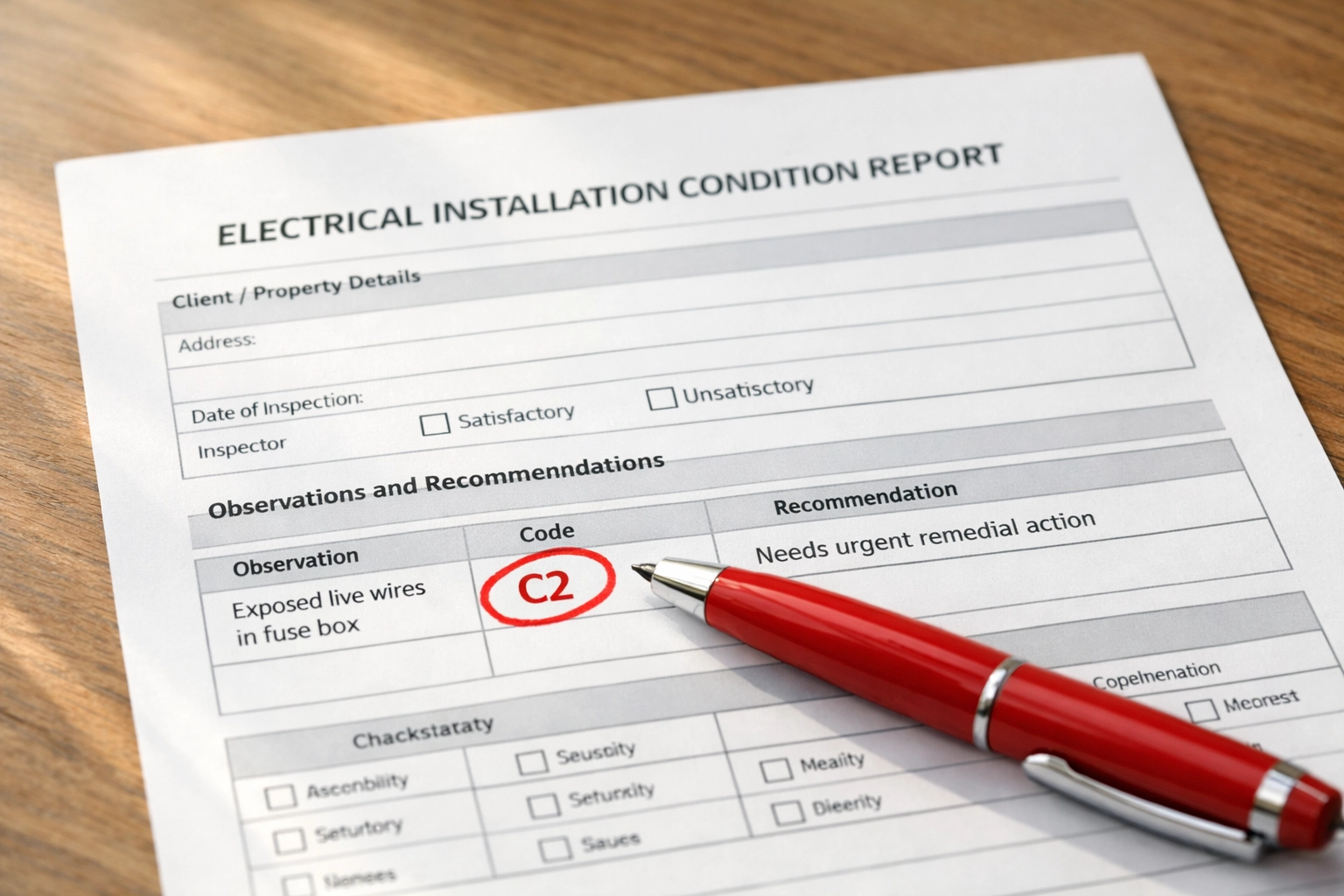
The four main codes you'll encounter are:
C1 (Danger Present) – Immediate risk to safety. The installation poses an immediate danger and requires urgent attention before continued use.
C2 (Potentially Dangerous) – Urgent remedial action required. The condition doesn't present immediate danger but could become hazardous if circumstances change.
C3 (Improvement Recommended) – The installation functions safely but doesn't meet current standards. Improvement is recommended for future compliance.
FI (Further Investigation Required) – The electrician needs additional testing or inspection to determine the full extent of an issue.
Your EICR will return one of two overall results: Satisfactory or Unsatisfactory. Any property with C1 or C2 codes automatically receives an unsatisfactory result and cannot be certified as safe until remedial work is completed.
What Does a C2 Code Actually Mean?
A C2 classification indicates a "potentially dangerous" condition that requires urgent remedial action. While this sounds alarming, it's important to understand what "potentially dangerous" actually means in practical terms.
C2 faults don't pose an immediate risk under current circumstances: that would be a C1. Instead, a C2 identifies a condition that could escalate into a serious hazard if left unaddressed or if circumstances change. The electrical system may be functioning now, but underlying issues create a safety concern that demands prompt attention.
Think of it this way: a C1 is a fire already burning, while a C2 is a pile of kindling next to a spark. The danger isn't present at this exact moment, but the conditions are in place for something to go wrong.
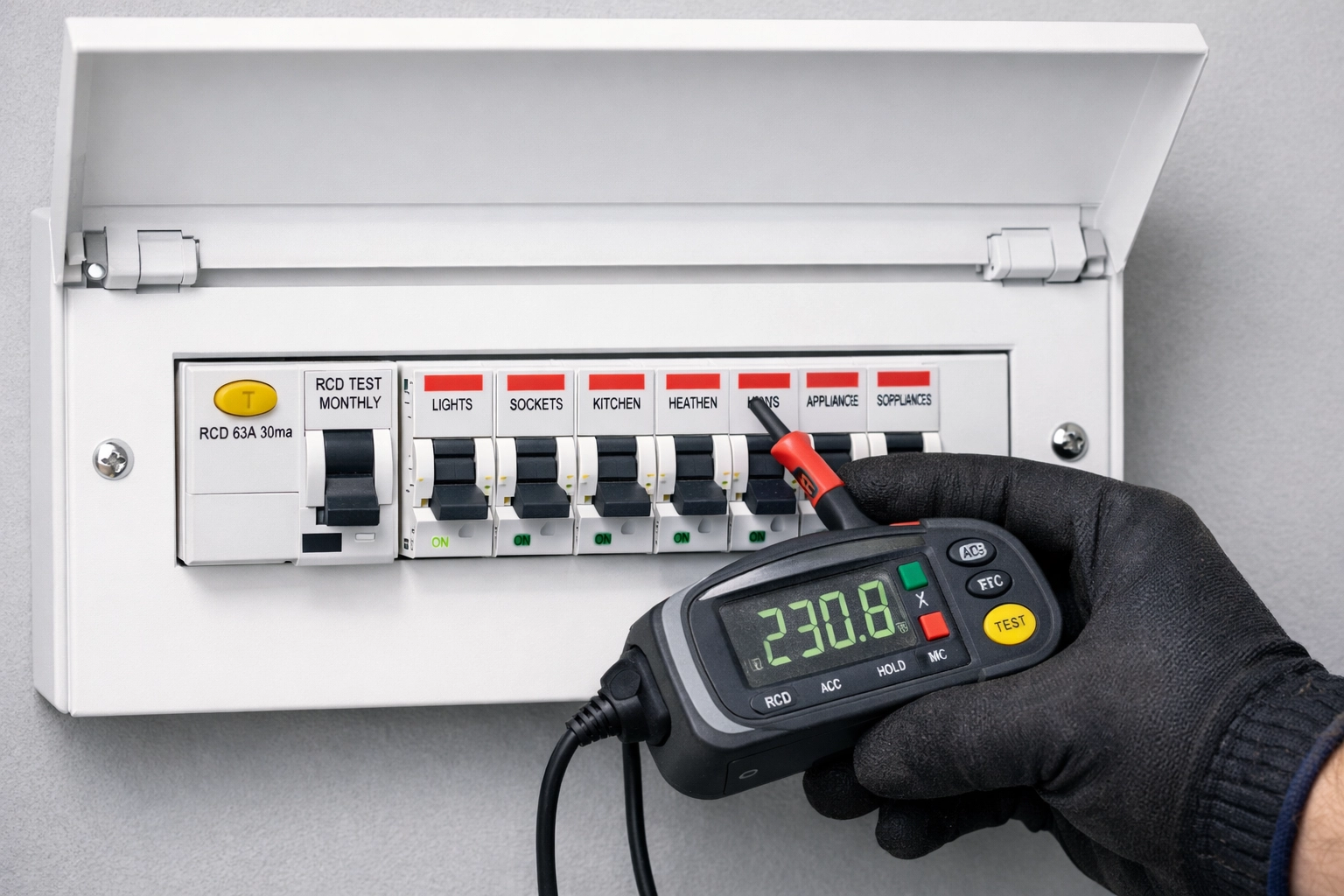
For landlords in Rugby, C2 codes carry particular significance. An EICR with C2 observations is classified as unsatisfactory, meaning the property fails to meet legal safety requirements. Until those defects are rectified, the electrical installation remains non-compliant with current regulations.
Common C2 Faults Found in Rugby Properties
Understanding what triggers a C2 code helps property owners recognise potential issues before they escalate. Based on inspections across Rugby homes and commercial properties, these are the most frequently identified C2 faults:
Inadequate Earthing or Bonding
Electrical equipment and metal components require proper earth connections to safely direct fault currents. When earth bonding is insufficient or missing entirely, the risk of electric shock increases significantly. This is particularly common in older Rugby properties where original installations haven't been updated.
Missing or Non-Functioning RCDs
Residual Current Devices (RCDs) are life-saving protective devices that cut power when they detect electrical leakage. Properties without RCDs fitted to the appropriate circuits, or with RCDs that fail to trip during testing, will receive a C2 code.
Low Insulation Resistance
Insulation prevents electrical current from leaking where it shouldn't. When insulation deteriorates: often due to age, moisture, or physical damage: resistance drops below safe levels. This creates a pathway for current to escape, potentially causing shocks or fires.
Deteriorated Cables and Accessories
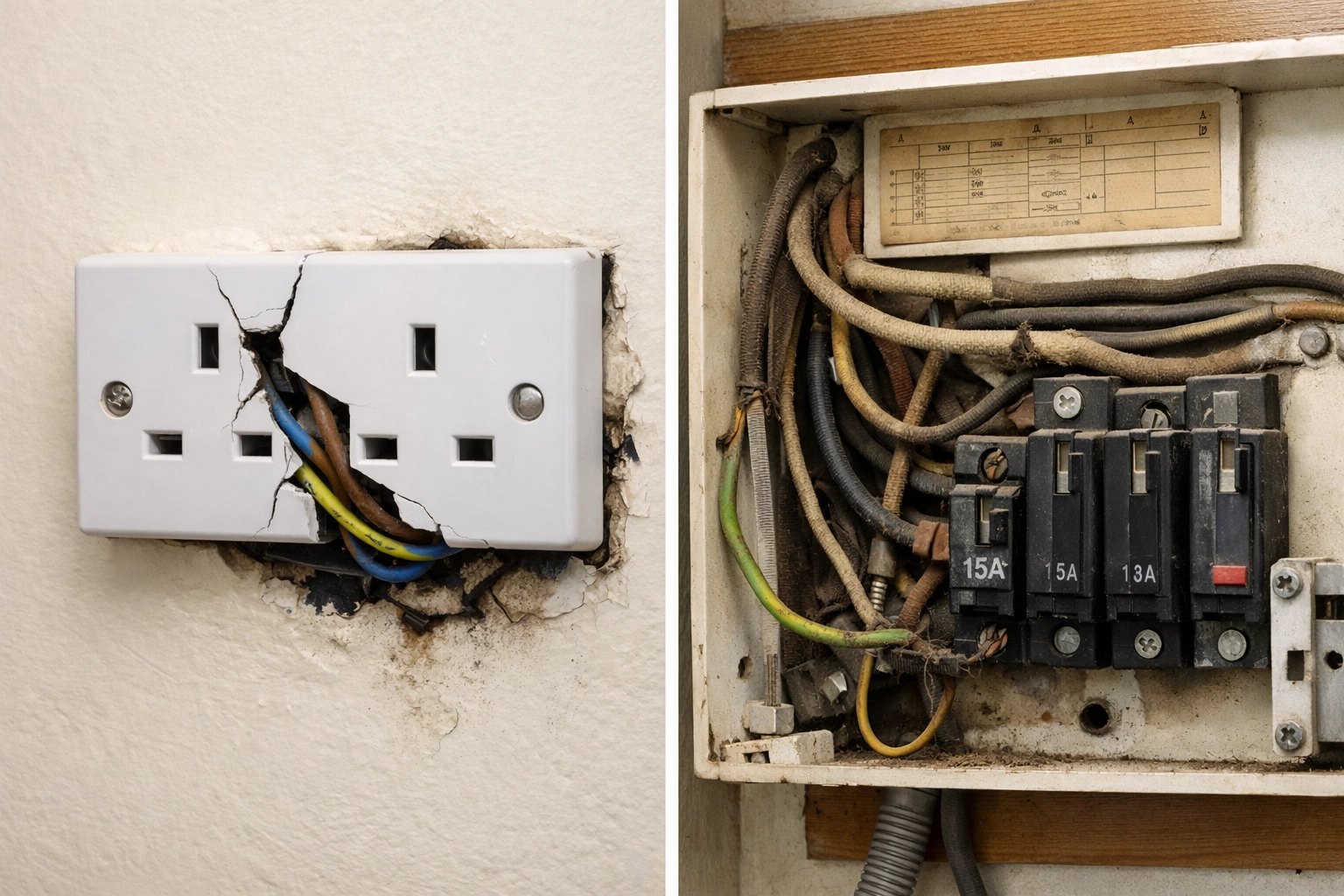
Damaged sockets, cracked light switches, exposed wiring, or perished cable insulation all constitute C2 faults. These issues are especially prevalent in properties that have undergone DIY electrical work without proper oversight.
Inadequate IP Ratings
IP (Ingress Protection) ratings indicate how well electrical enclosures resist solid objects and water. Insufficient protection in bathrooms, kitchens, or outdoor installations poses serious risks and typically results in a C2 classification.
Overloaded Circuits
Circuits carrying more load than designed for create overheating risks. This often occurs in properties where electrical demand has increased over time without corresponding upgrades to the consumer unit or circuit design.
What Happens After You Receive a C2 Code?
The presence of a C2 code on your EICR triggers a clear sequence of required actions. Understanding this process helps landlords and homeowners respond appropriately and efficiently.
Immediate Steps
Your EICR report will detail each C2 observation, including its location and nature. Review these findings carefully with your electrician to understand exactly what needs addressing. Properties with C2 codes cannot receive a satisfactory EICR certificate until remedial work is completed.
Arranging Remedial Work
Contact a qualified, registered electrician to schedule the necessary repairs. For Rugby landlords, this becomes particularly time-sensitive. Current regulations require valid EICRs for rental properties, and failure to address C2 observations can result in significant fines: up to £40,000 in severe cases.
Napit-registered electricians like the team at G Costa Electrical are qualified to complete remedial work to the required standards. With over 8 professional electricians covering Rugby and surrounding areas, the company has extensive experience addressing C2 faults in both residential and commercial properties, including work with housing associations such as Sanctuary Scotland.
Re-Testing and Certification
Once remedial work is completed, the electrician will re-test the affected circuits to verify the issues have been properly resolved. This may involve a full re-inspection or focused testing of the repaired areas, depending on the extent of work carried out.
After successful re-testing, you'll receive an updated EICR with a satisfactory outcome. This certificate confirms the property meets current electrical safety standards and complies with landlord obligations.
Why Acting Quickly on C2 Codes Matters
While C2 faults don't present immediate danger, delaying remedial action creates unnecessary risks. Electrical conditions rarely improve on their own: they deteriorate over time.
Safety Considerations
Potentially dangerous conditions can quickly become dangerous ones. A minor insulation fault might worsen with continued use. Missing RCD protection offers no safeguard if an electrical fault occurs. The "urgent" designation exists because these issues demand prompt resolution.
Legal Compliance for Landlords
Rugby landlords face clear legal obligations regarding electrical safety. The Electrical Safety Standards in the Private Rented Sector (England) Regulations 2020 require valid, satisfactory EICRs. Properties with unresolved C2 codes fail this requirement.
Local authorities can impose substantial financial penalties for non-compliance. Beyond fines, landlords may face prohibition orders preventing them from letting the property until safety issues are resolved. Tenant relationships can also suffer when legitimate safety concerns go unaddressed.
Insurance Implications
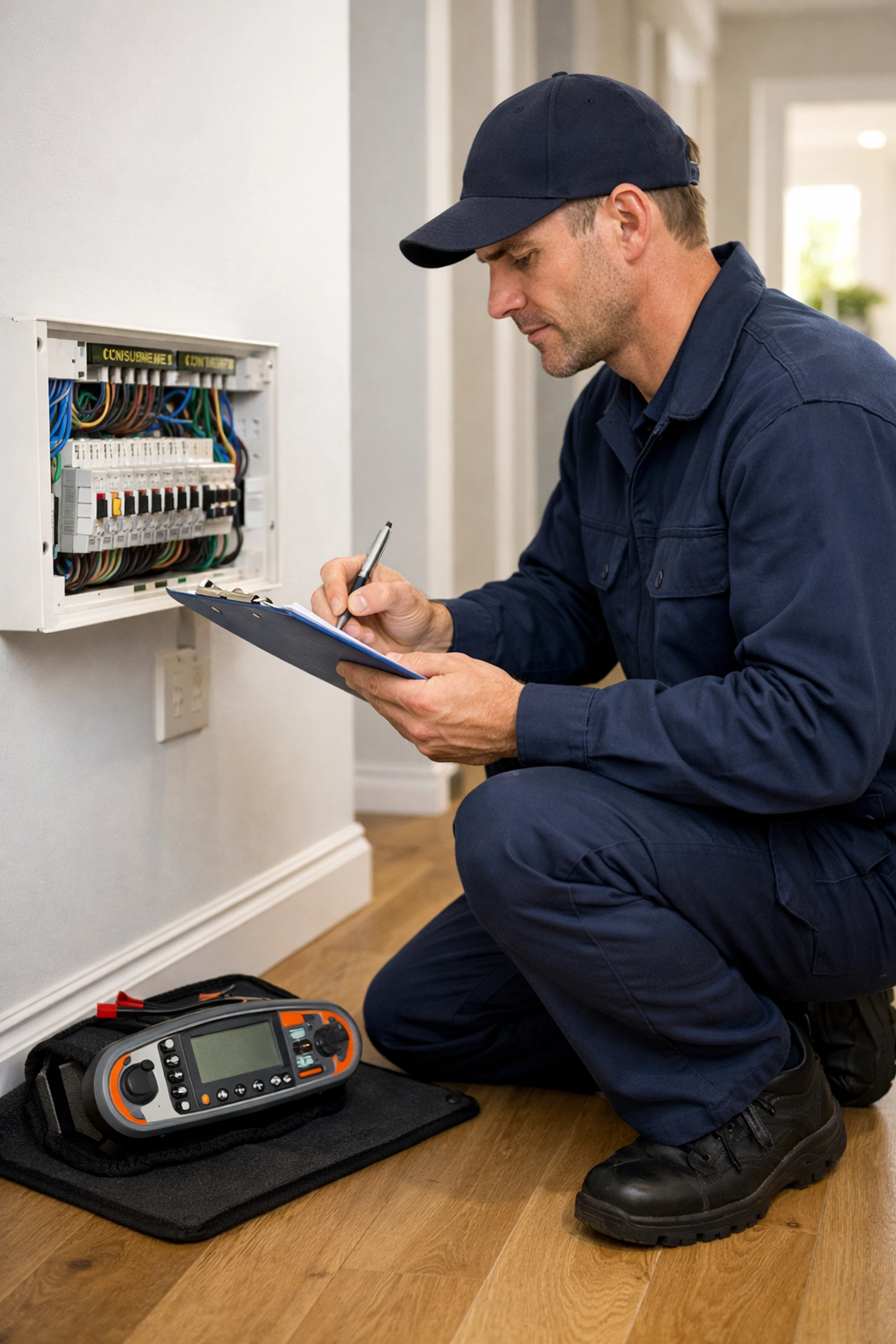
Many insurance policies require properties to maintain satisfactory electrical standards. An unsatisfactory EICR with unresolved C2 codes could affect coverage validity. In the event of an electrical fire or incident, insurers may scrutinise whether known faults were properly addressed.
How to Prevent C2 Codes on Future EICRs
Prevention proves more cost-effective than remediation. Regular electrical maintenance helps identify developing issues before they escalate to C2 status.
Schedule periodic visual checks between formal EICRs. Look for signs of wear, damage, or deterioration in visible electrical components. Address minor issues promptly rather than waiting for the next inspection cycle.
Avoid DIY electrical work unless you're competent and qualified. Improper installations frequently generate C2 observations during subsequent inspections. Professional electricians ensure work meets current standards from the outset.
Keep records of all electrical work completed on your property. Documentation helps track installation history and demonstrates due diligence in maintaining safety standards.
For landlords managing multiple properties, establishing relationships with reliable electrical contractors streamlines maintenance processes. Consistent service from qualified professionals who understand your portfolio reduces long-term costs and compliance headaches.
Getting Professional Help in Rugby
When your EICR returns with C2 codes, choosing the right electrician for remedial work matters. Registration with recognised schemes like Napit provides assurance that electricians maintain current technical knowledge and work to required standards.
Experience with similar properties and fault types also proves valuable. Electricians who regularly work with landlord compliance understand the urgency and documentation requirements involved in resolving C2 observations efficiently.
Clear communication throughout the remedial process helps property owners understand what's being done and why. Detailed reports and transparent pricing eliminate surprises and support informed decision-making.
The electrical installation in your Rugby property represents a significant safety system. C2 codes identify issues that demand attention before they escalate into more serious problems. Understanding these codes and responding promptly protects occupants, maintains compliance, and provides peace of mind.
If your recent EICR has identified C2 observations, contact qualified electricians to schedule the necessary remedial work. Addressing these issues promptly restores your property to satisfactory electrical safety standards.
Comments