
The Landlord's Guide to EICR: Staying Compliant in Rugby

Being a landlord in Rugby comes with plenty of responsibilities, and electrical safety sits right at the top of the list. An Electrical Installation Condition Report (EICR) is not just a piece of paperwork: it is a legal requirement that protects your tenants, your property, and your reputation. This guide breaks down everything you need to know about staying compliant with EICR regulations in Rugby.
What Is an EICR?
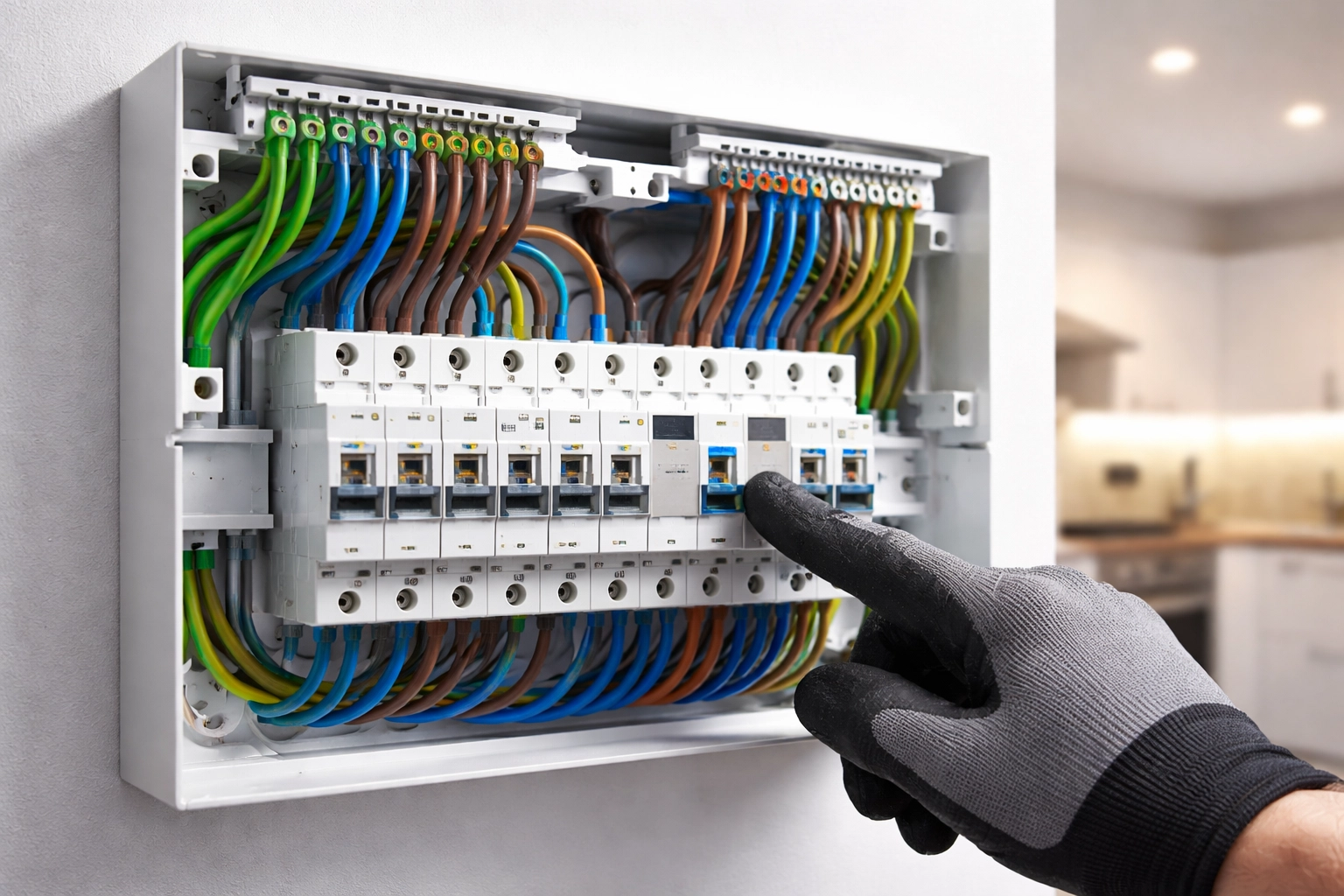
An Electrical Installation Condition Report is a formal assessment carried out by a qualified electrician to examine the safety and condition of a property's fixed electrical installation. This includes the wiring, sockets, light fittings, consumer unit (fuse board), and any other permanently connected electrical equipment.
The inspection identifies any deterioration, defects, or dangerous conditions that could put occupants at risk. Once complete, the electrician provides a detailed report outlining the findings and specifying when the next inspection should take place.
For landlords in Rugby, obtaining a valid EICR is not optional. It is a legal obligation under the Electrical Safety Standards in the Private Rented Sector (England) Regulations 2020.
Why Is EICR Compliance Important for Landlords?
Electrical faults are one of the leading causes of house fires in the UK. Faulty wiring, overloaded circuits, and outdated installations can pose serious risks to tenants. By ensuring your property has a valid landlord electrical certificate, you are taking proactive steps to:
Protect tenant safety – Identifying hazards before they cause harm
Meet legal obligations – Avoiding fines and enforcement action
Maintain insurance validity – Many policies require proof of electrical safety
Preserve property value – Keeping electrical systems in good working order
Beyond the legal requirements, demonstrating a commitment to safety builds trust with tenants and can make your property more attractive in the Rugby rental market.
How Often Do You Need an EICR in Rugby?
The regulations require landlords to arrange an inspection and test of their property's fixed electrical installation at least once every five years. However, if the EICR recommends an earlier inspection date, you must comply with that shorter timeframe.
For example, if an electrician identifies issues that warrant re-inspection in three years, you are legally bound to arrange another EICR within that period.
Key inspection frequency points:
Standard requirement: Every 5 years
Earlier if specified in the report
Before a new tenancy begins (if no valid report exists)
After significant electrical work is completed
Keeping track of these dates is essential. Setting calendar reminders or working with a trusted local electrician who maintains records can help you stay on top of your obligations.
What Happens During an EICR Inspection?
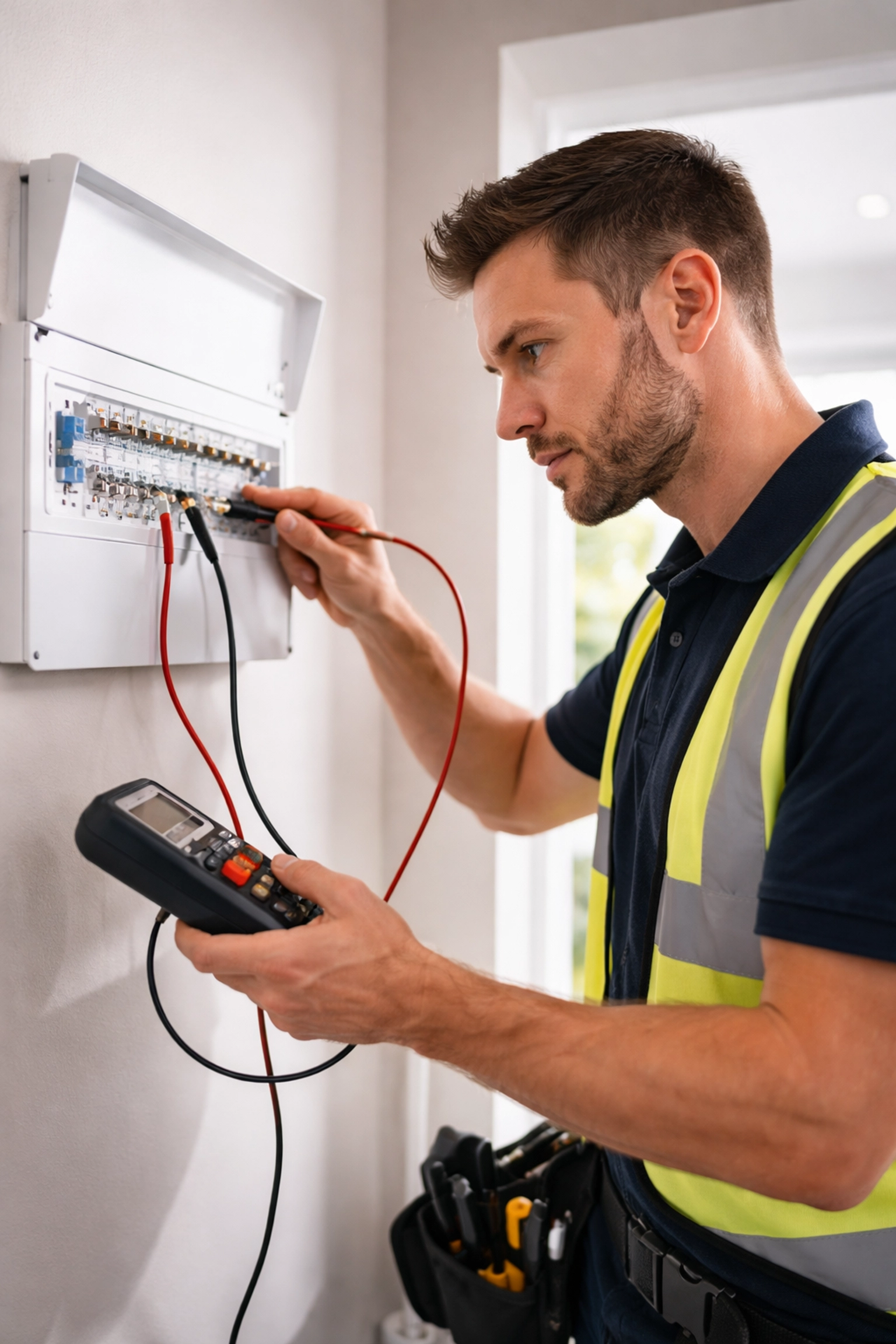
During the inspection, a qualified electrician will examine your property's electrical installation thoroughly. The process typically involves:
Visual inspection – Checking for visible signs of damage, wear, or non-compliance
Testing – Using specialist equipment to measure the performance of circuits, earthing, and bonding
Assessment – Evaluating the overall condition against current safety standards (BS 7671)
Documentation – Recording findings and assigning observation codes where necessary
The inspection usually takes a few hours, depending on the size and complexity of the property. Tenants may need to be present or provide access to all rooms, including lofts and cupboards where electrical equipment is located.
Understanding Your EICR Results
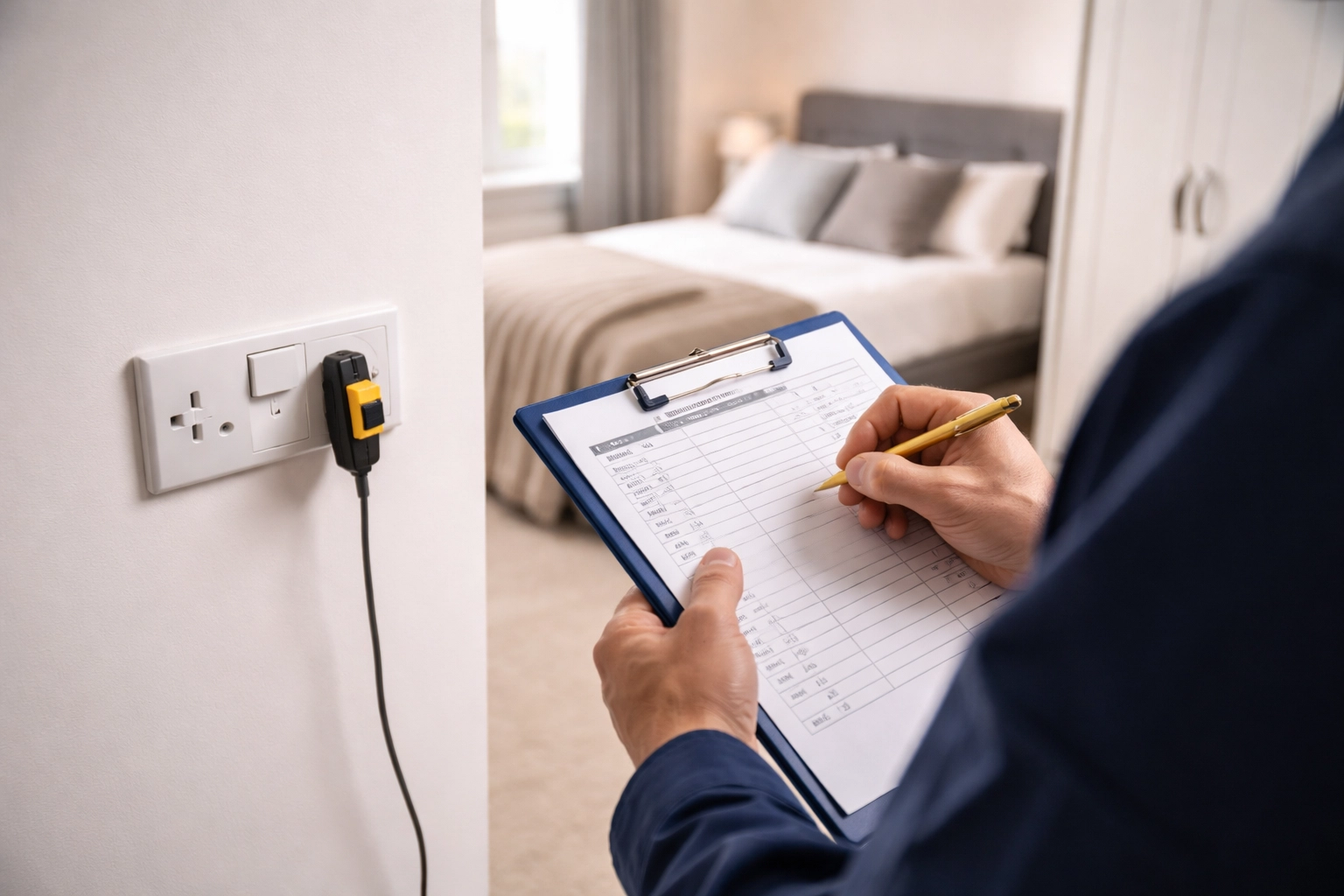
Once the inspection is complete, you will receive a detailed report. The EICR will state whether the electrical installation is satisfactory or unsatisfactory for continued use.
If issues are found, they are categorised using observation codes:
C1 (Danger present) – An immediate risk exists and requires urgent attention
C2 (Potentially dangerous) – A fault that could become dangerous and needs remedial action
C3 (Improvement recommended) – Not a safety hazard but an upgrade is advisable
FI (Further investigation required) – Additional testing needed to determine the extent of an issue
A report with any C1 or C2 codes is classified as unsatisfactory. You are legally required to address these issues within the specified timeframe.
C3 observations are advisory and do not make the report unsatisfactory, but addressing them can improve safety and efficiency. For more details on why regular electrical inspections matter, you can read about the importance of EICRs and why you should use registered electricians.
Managing Remedial Work
If your EICR identifies issues requiring repair or further investigation, you must act promptly. The regulations state that remedial work must be completed within 28 days of the inspection, or sooner if the report specifies a shorter deadline.
Steps to manage remedial work:
Review the report carefully and note all C1, C2, and FI observations
Arrange for a qualified electrician to carry out the necessary repairs
Obtain written confirmation that the work meets electrical safety standards
Supply this confirmation to your tenants within 28 days
Provide a copy to the local authority if requested
Keeping records of all correspondence, invoices, and certificates is important. This documentation serves as evidence of compliance should any disputes or inspections arise.
Tenant Notification Requirements
Landlords must supply a copy of the EICR to tenants within specific timeframes:
Existing tenants – Within 28 days of the inspection
New tenants – Before they move in
Local authority – Within 7 days of a request
Providing this information promptly demonstrates transparency and helps tenants understand the safety status of their home. It also protects you from potential claims of negligence or non-compliance.
If a tenant refuses to grant access for an inspection, you can use this refusal as a legal defence against prosecution. Documenting any refused access attempts is advisable, including dates, times, and any written correspondence.
Penalties for Non-Compliance
Failing to meet EICR requirements in Rugby carries serious consequences. Local authorities have the power to enforce compliance and issue penalties, including:
Fines of up to £30,000 per breach
Invalidation of landlord insurance – Leaving you personally liable for damages
Banning orders – For serious or repeated offences
Local authority intervention – The council can arrange repairs and charge you for the costs
These penalties can have a significant financial and reputational impact. Staying proactive with electrical safety is far more cost-effective than dealing with enforcement action.
Choosing a Qualified Electrician in Rugby
Not just anyone can carry out an EICR. The regulations require the inspection to be performed by a qualified and competent person. This typically means an electrician who is registered with a recognised scheme such as NICEIC, NAPIT, or ELECSA.
When selecting an electrician for your EICR in Rugby, consider the following:
Registration – Verify their membership with an approved body
Experience – Ask about their experience with rental properties
Insurance – Ensure they carry appropriate professional indemnity cover
Local knowledge – A Rugby-based electrician understands local housing stock and regulations
Reputation – Check reviews and ask for references from other landlords
Working with a trusted local provider ensures your inspection is thorough, your report is accurate, and any remedial work meets the required standards.
Upgrading older electrical components, such as the consumer unit, can also help your property pass future inspections more smoothly. You can learn more about the importance of upgrading your consumer unit to understand how this benefits landlords.

Staying Ahead of Your EICR Obligations
Managing EICR compliance does not have to be stressful. By understanding the requirements, keeping accurate records, and working with qualified professionals, you can protect your tenants and your investment.
Quick compliance checklist:
Arrange an EICR at least every 5 years (or sooner if required)
Address C1 and C2 issues within 28 days
Provide copies to tenants and authorities within required timeframes
Keep records of all reports, remedial work, and correspondence
Use a registered, competent electrician for all inspections and repairs
Taking a proactive approach to electrical safety keeps your Rugby rental property compliant and gives tenants peace of mind. If your property is due for an inspection or you have questions about EICR requirements, reaching out to a local expert is a sensible next step.
For assistance with EICR inspections and electrical safety in Rugby, feel free to get in touch to discuss your requirements.
Comments