
Do You Really Need a Consumer Unit Upgrade? Here's the Truth for Rugby Homeowners

Your consumer unit: often called a fuse box: sits quietly in a cupboard or utility room, doing its job without much fanfare. Most homeowners rarely think about it until something goes wrong. But as electrical safety standards evolve and homes become more reliant on technology, that humble box deserves a closer look.
The question many Rugby homeowners face is straightforward: does your consumer unit actually need replacing, or is someone just trying to sell you something you don't need? This guide breaks down the facts so you can make an informed decision.
What Exactly Is a Consumer Unit?
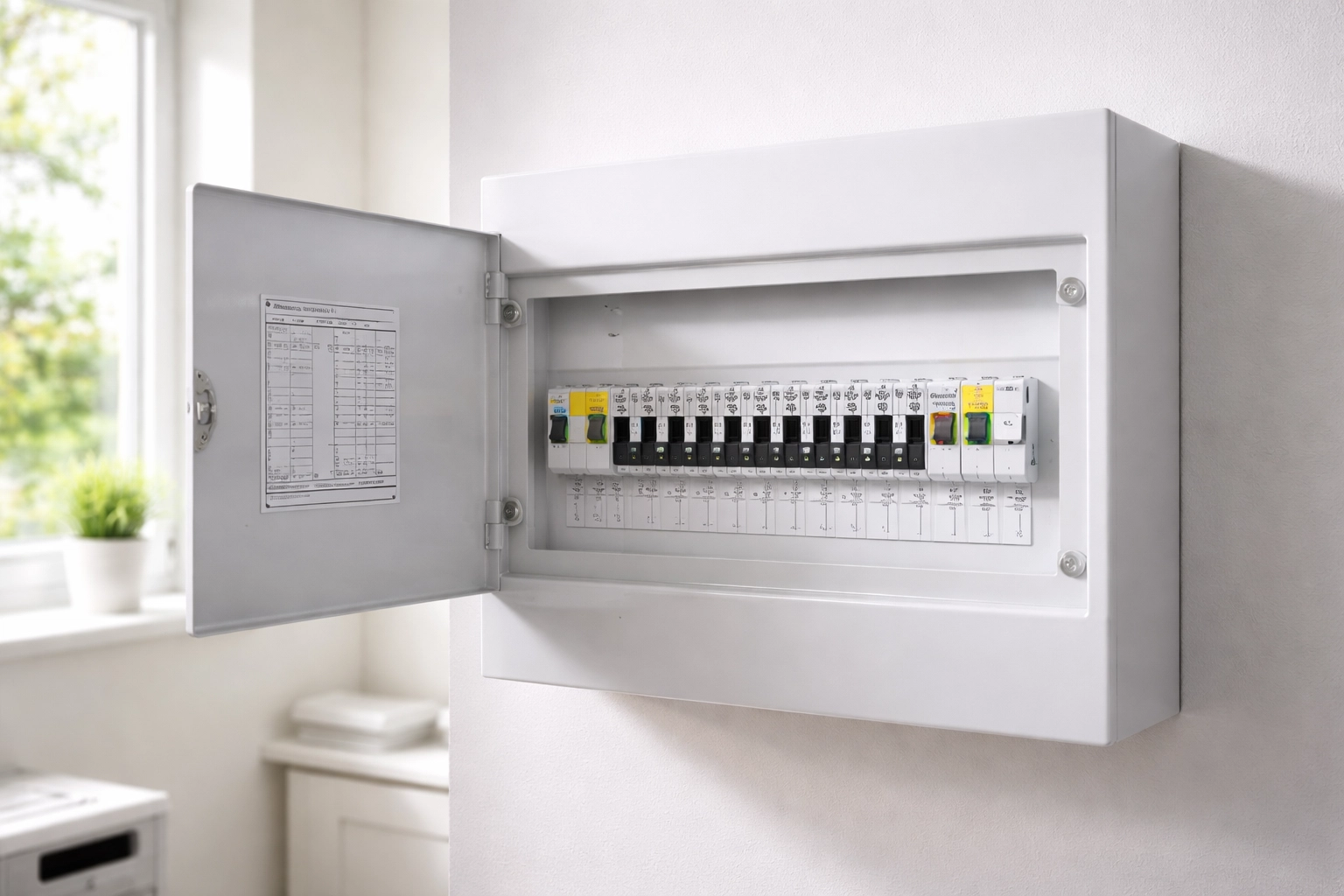
A consumer unit is the central hub of your home's electrical system. It distributes electricity to all your circuits and contains protective devices: either fuses or circuit breakers: that cut the power if something goes wrong.
Modern consumer units include Residual Current Devices (RCDs), which detect electrical faults and disconnect the supply in milliseconds. This rapid response can prevent electric shocks and reduce the risk of electrical fires.
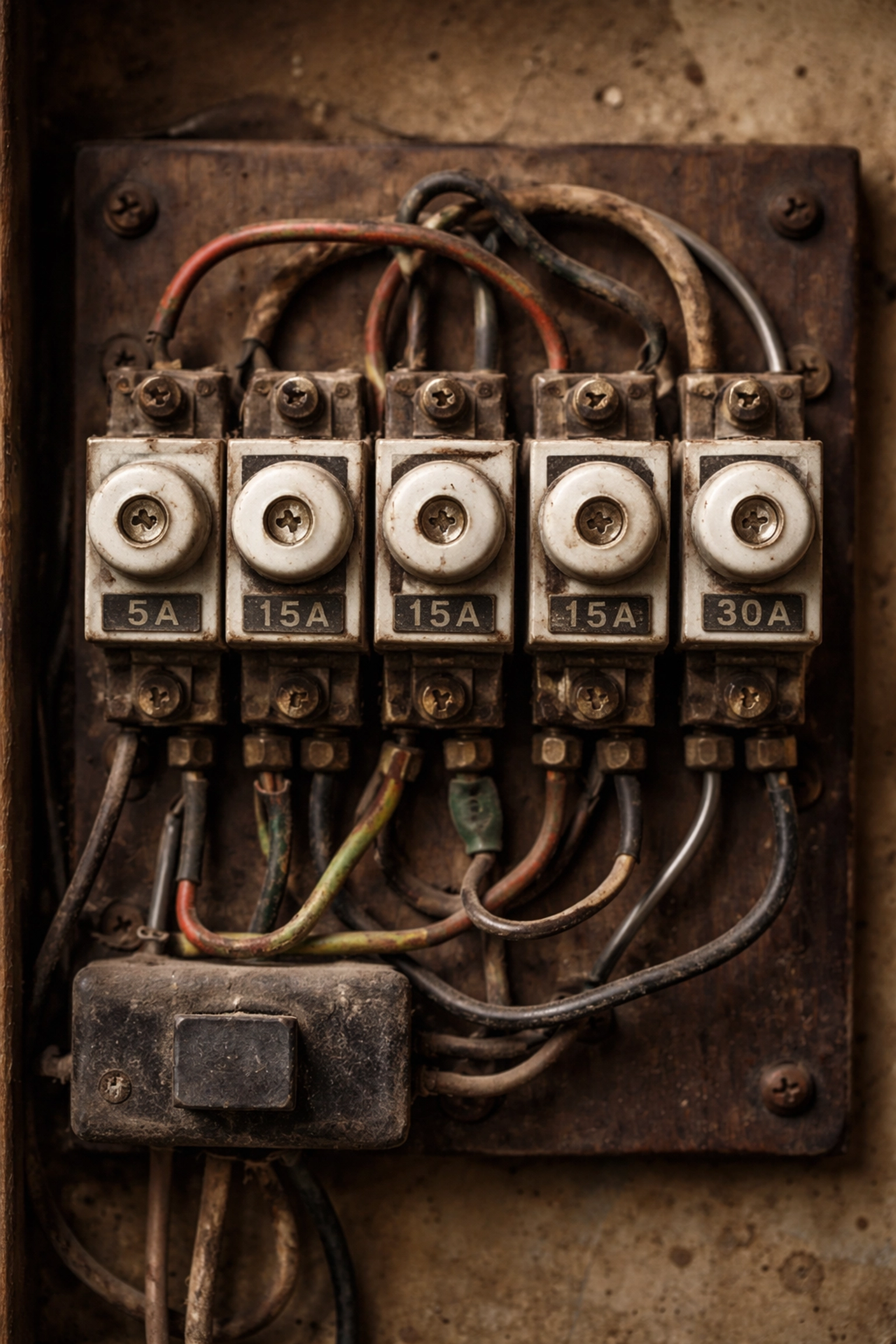
Older properties often have outdated fuse boxes with rewireable fuses. While these still function, they lack the advanced protection features found in contemporary units.
Signs Your Consumer Unit May Need Replacing
Several warning signs indicate your consumer unit might be past its prime. Pay attention to these red flags:
Scorch marks or discolouration around the unit or on the casing
Burning smell coming from the fuse box area
Frequent tripping of circuits without obvious cause
Loose or damaged wiring visible inside the unit
Warm or hot casing when you touch the outside
Rewireable fuses instead of modern circuit breakers
No RCD protection on your circuits
Any of these symptoms warrants an inspection by a qualified electrician in Rugby. Ignoring them could compromise your family's safety.
When Is an Upgrade Absolutely Necessary?
Certain situations make a consumer unit upgrade essential rather than optional. Understanding these scenarios helps you recognise when action is genuinely required.
After an EICR Reveals Issues
An Electrical Installation Condition Report (EICR) provides a detailed assessment of your property's electrical safety. If the report identifies a lack of RCD protection, damaged components, or systems that don't meet current safety standards, an upgrade becomes necessary.
For owner-occupied homes, an EICR is recommended every 10 years. Rental properties require inspections every 5 years under current legislation.
Your Unit Is Over 25 Years Old
Consumer units older than 25 years often lack modern safety features entirely. Replacement parts may be impossible to source, leaving your system vulnerable if components fail. Older rewireable fuse boxes particularly need upgrading to meet current regulations.
Visible Safety Hazards
Signs of overheating, fire damage, or deteriorating wiring demand immediate attention. A consumer unit showing physical damage isn't just outdated: it's potentially dangerous. Replacement should happen as soon as possible.
Selling or Buying a Property
Property transactions increasingly involve scrutiny of electrical systems. Solicitors and surveyors regularly flag outdated consumer units as concerns, sometimes making upgrades a condition of sale. If you're preparing to sell your Rugby home, addressing the consumer unit proactively can smooth the process.
Regulatory Compliance
Current UK regulations: the 18th Edition IET Wiring Regulations: set specific requirements for domestic consumer units:
Non-combustible casing: Units must be housed in metal enclosures, not plastic
RCD protection: All circuits require protection from residual current devices
Adequate capacity: The unit must handle your home's electrical demands safely
If your existing unit doesn't meet these standards, upgrading brings your home in line with current safety requirements.
When Might an Upgrade Be Optional?
Not every consumer unit needs replacing. If your electrical system meets certain criteria, upgrading becomes a choice rather than a necessity.
Your unit may be perfectly adequate if:
It's less than 25 years old and in good condition
It passes EICR inspection without defects
It already includes RCD protection on all circuits
The casing is metal and undamaged
There are no signs of wear, overheating, or damage
In these cases, your existing consumer unit continues to protect your home effectively. However, modern units offer additional features that some homeowners find valuable even when not strictly required.
Benefits of Upgrading to a Modern Consumer Unit
Even when not mandatory, a new consumer unit brings genuine advantages worth considering.
Enhanced Safety Protection
Modern units include dual RCD protection, meaning a fault on one circuit doesn't affect the entire house. Surge protection options safeguard expensive electronics from power spikes. These features provide an extra layer of security for your home and family.
Better Circuit Isolation
Contemporary consumer units allow individual circuits to be isolated without affecting others. Troubleshooting electrical issues becomes simpler, and you maintain power to essential areas while repairs happen elsewhere.
Increased Capacity
Homes today demand more from their electrical systems than ever before. Electric vehicle chargers, smart home devices, and additional appliances all draw power. A modern consumer unit provides capacity for current needs and future additions.
Improved Fire Safety
Metal-cased consumer units contain any potential fire within the enclosure, preventing spread to surrounding materials. This design requirement in current regulations significantly reduces fire risk.
Peace of Mind
Knowing your electrical system meets current standards and includes comprehensive protection provides reassurance. For many Rugby homeowners, that confidence alone justifies the investment.
What Happens During a Consumer Unit Upgrade?
Understanding the process helps you prepare for what's involved.
Initial Assessment
A qualified electrician inspects your existing installation, checking the condition of wiring, earthing arrangements, and overall system capacity. This assessment determines exactly what work is required.
Installation Process
The upgrade typically takes between 4-8 hours depending on your property's complexity. Power to your home is disconnected during the work, so planning around this downtime makes sense.
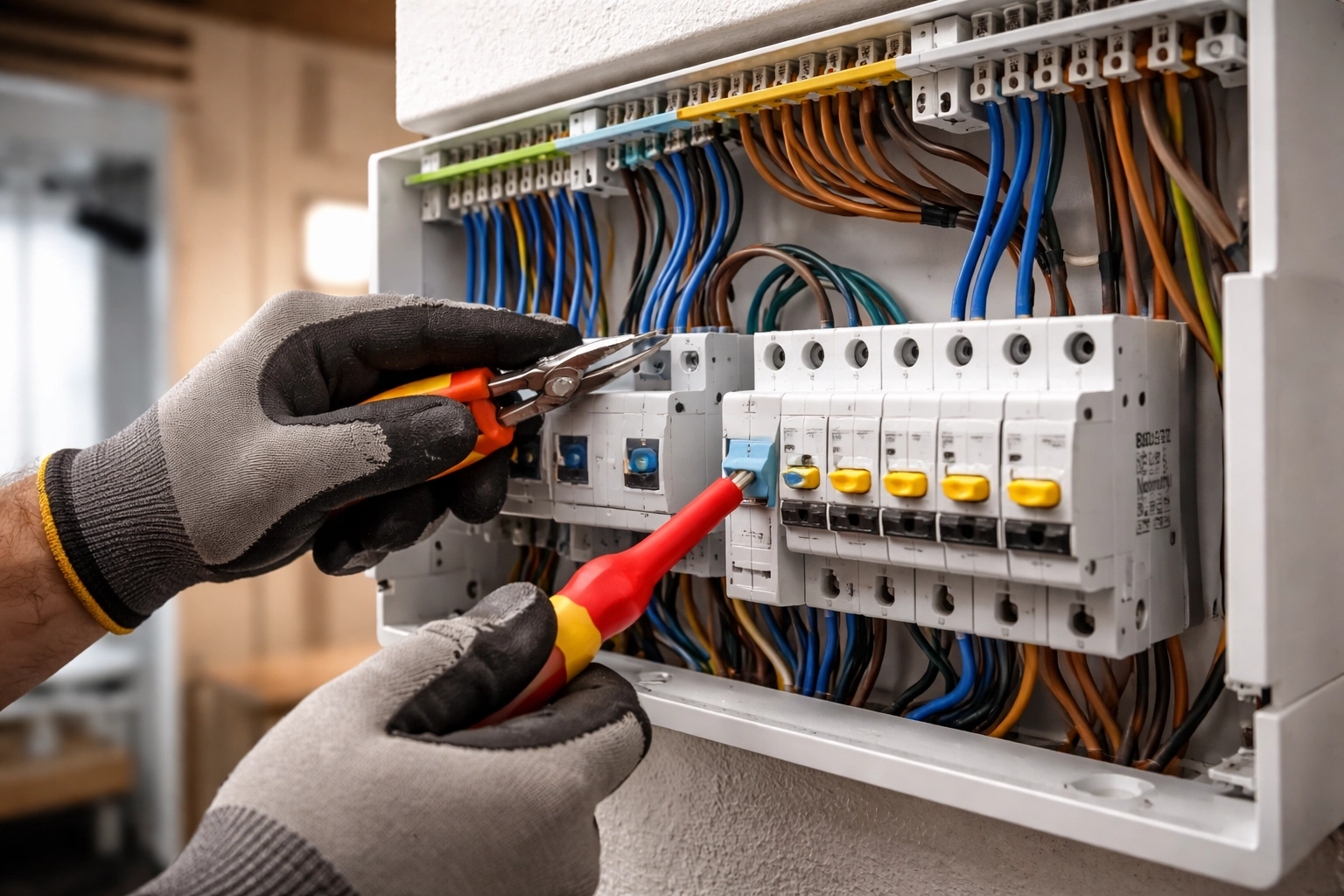
The electrician removes the old unit, installs the new metal consumer unit, connects all circuits, and fits appropriate protective devices. All connections are tested thoroughly before power is restored.
Certification and Documentation
Upon completion, you receive an Electrical Installation Certificate confirming the work meets current regulations. Keep this documentation safe: it's valuable for insurance purposes and future property transactions.

How to Get an Accurate Assessment
The only reliable way to determine whether your consumer unit needs replacing is through professional assessment. A registered electrician can evaluate your specific situation and provide honest advice.
When seeking an assessment, consider these factors:
Choose a registered electrician: Look for membership with approved schemes like NICEIC, NAPIT, or ELECSA
Request an EICR: This comprehensive inspection covers your entire electrical system, not just the consumer unit
Ask questions: A reputable electrician explains findings clearly and doesn't pressure you into unnecessary work
Get written quotes: Compare detailed quotes that specify exactly what's included
For Rugby homeowners, working with a local electrician familiar with properties in the area offers practical advantages. Local professionals understand common issues in different property types and can respond quickly if questions arise after the work.
Making Your Decision
Consumer unit upgrades aren't always necessary, but they're also not just a sales tactic. The truth lies somewhere in between: your specific circumstances determine whether replacement is essential, beneficial, or genuinely unnecessary.
If your unit shows warning signs, fails an EICR, or predates modern safety requirements, upgrading protects your home and family. If your existing system passes inspection and meets current standards, you have the luxury of choice.
Either way, starting with a professional assessment gives you the facts you need. From there, you can make a confident decision based on your property's actual condition rather than guesswork or pressure.
Ready to find out where your consumer unit stands? Get in touch to arrange an assessment with a qualified electrician in Rugby.
Comments