
EICR Codes Explained: A Rugby Homeowner's Guide to Understanding C1, C2, and FI Results

You've just received your Electrical Installation Condition Report (EICR) and spotted a series of codes: C1, C2, FI: scattered across the pages. If you're unsure what they mean or how urgently you need to act, you're not alone. Many Rugby homeowners find these classifications confusing at first glance. This guide breaks down each code in plain English, explains what action you need to take, and outlines why choosing a registered electrician matters for your home's safety.
What Is an EICR?
An EICR is a thorough inspection of your property's electrical system. A qualified electrician examines wiring, sockets, switches, consumer units, and other electrical components to identify any defects, damage, or potential hazards. The report assigns codes to any issues found, indicating the severity and urgency of required work.
If you're a landlord in Rugby, EICRs are legally required every five years. Homeowners aren't legally obligated to get one, but it's strongly recommended: especially if your property is over 25 years old or hasn't been inspected recently.
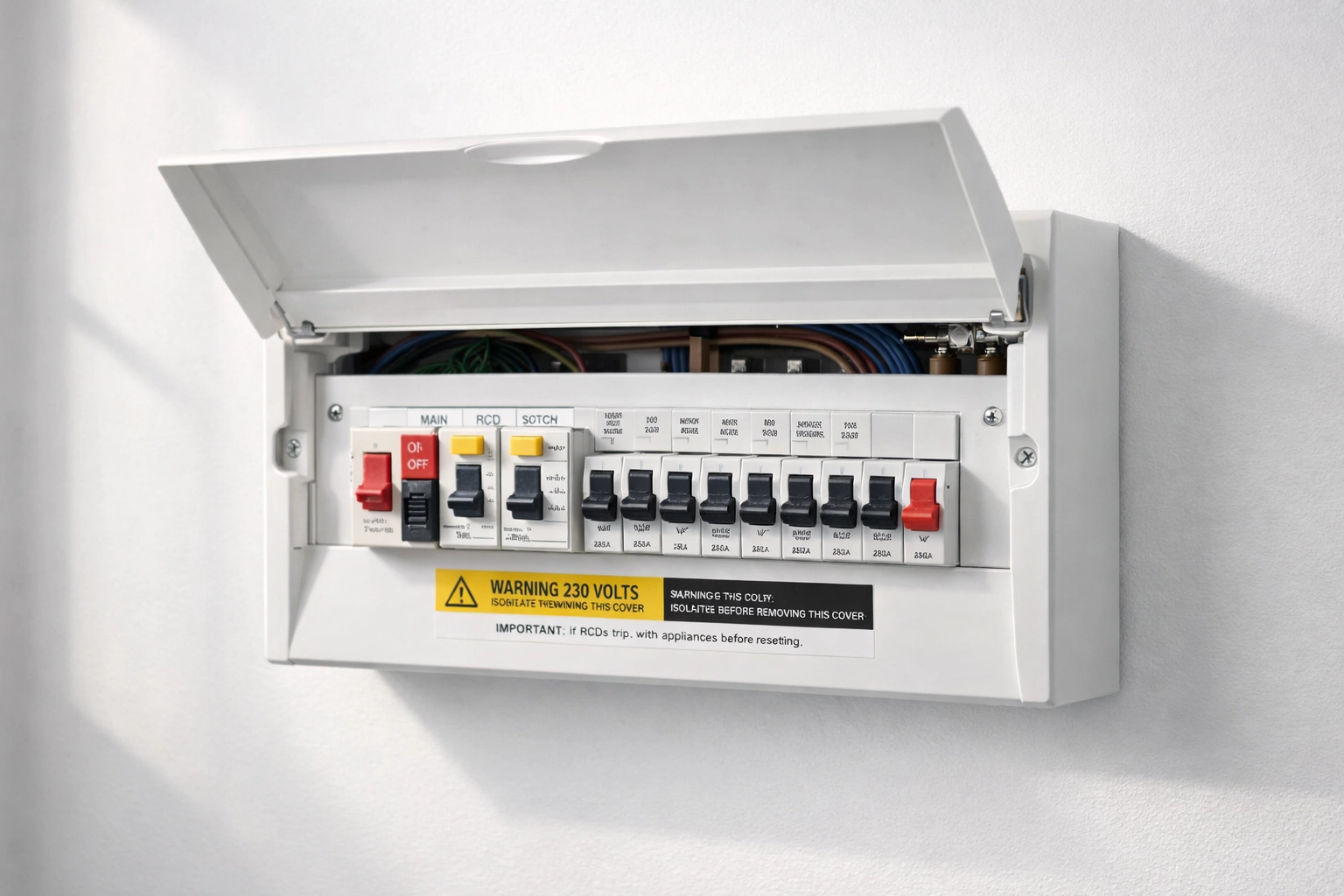
C1: Danger Present
A C1 code represents the most serious classification. It means danger is present and there's a high risk of injury or fire. When an electrician identifies a C1 issue, immediate remedial action is required: not next week, not in 28 days, but right away.
What Does C1 Look Like?
Common C1 issues include:
Exposed live wires or terminals
Missing earth connections on metal fixtures
Damaged consumer units with accessible live parts
Electrical installations in contact with water
Charred or burnt components indicating overheating
What You Need to Do
Your electrician will typically take temporary measures to isolate the danger before leaving your property. This might involve switching off a circuit or disconnecting a dangerous fitting. You must then arrange permanent repairs immediately. Don't delay: C1 issues pose a genuine risk to anyone in your home.
C2: Potentially Dangerous
A C2 code indicates potential danger. The installation is not recommended for continuous use without remedial work. While less immediately critical than C1, C2 issues still require urgent attention because they could develop into dangerous situations.
Common C2 Examples
You might receive a C2 code for:
Insufficient earthing or bonding
Overloaded circuits
Damaged cable insulation
Consumer units located in vulnerable positions (like under wooden stairs)
Missing RCD protection on circuits that require it
Incorrectly installed junction boxes or accessories
Your 28-Day Window
When your EICR contains C2 codes, you have up to 28 days to arrange repairs or replacement work. This timeframe isn't a suggestion: if you're a landlord, it's a legal requirement. For homeowners, treating C2 issues seriously protects your family and property from potential electrical fires or shocks.
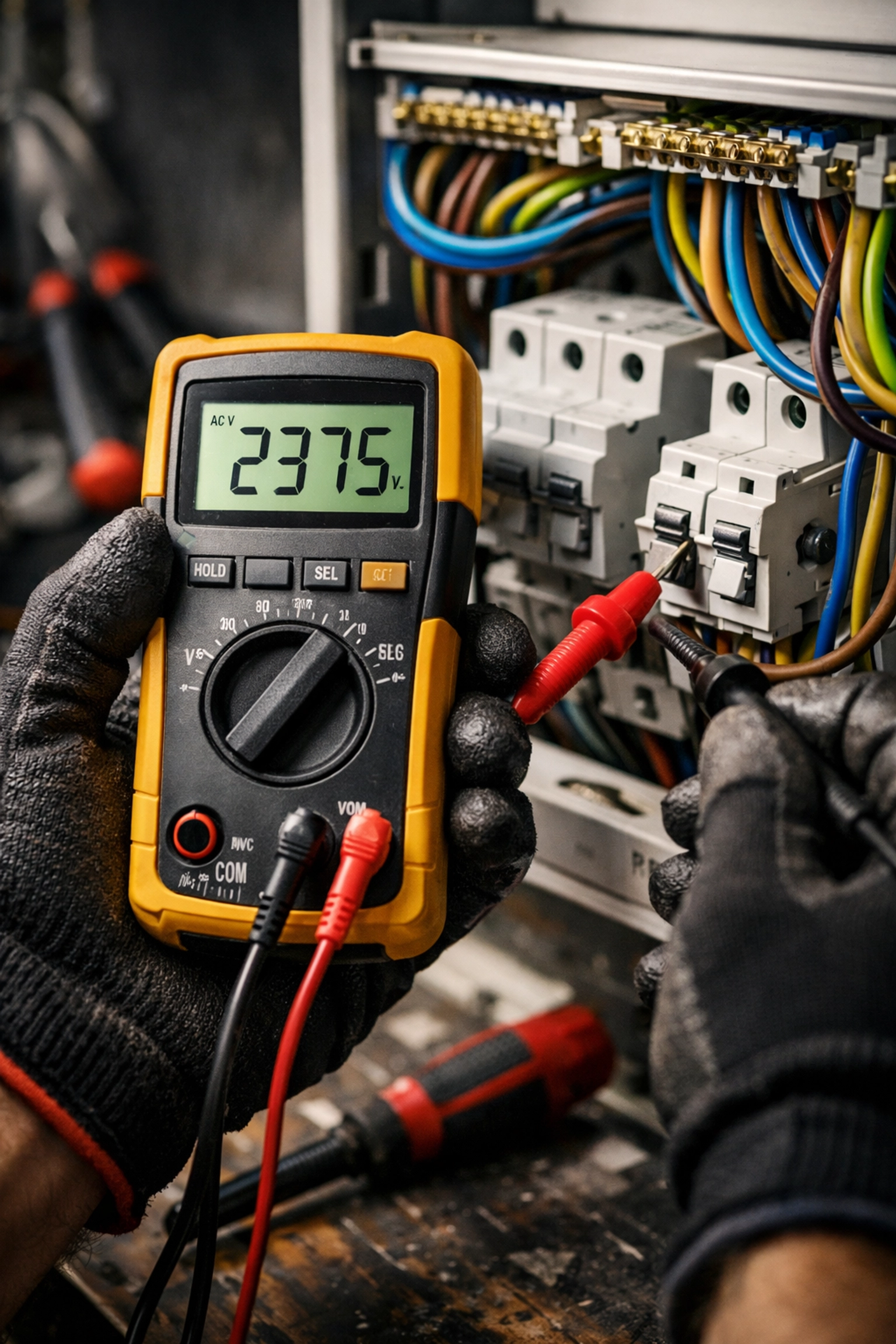
FI: Further Investigation Required
An FI code means your electrician has identified a potential problem but needs to conduct additional testing to determine its severity. This isn't a "wait and see" situation: it requires prompt follow-up investigation.
Why Further Investigation?
Several scenarios might trigger an FI code:
The electrician cannot access certain areas during the initial inspection
A circuit behaves abnormally but the cause isn't immediately apparent
Testing reveals unusual readings that need specialist equipment to diagnose
The age or condition of buried cables raises concerns but can't be fully assessed without excavation
Taking Action on FI Codes
You should arrange the additional investigation within your 28-day window. The follow-up testing might reveal the issue is minor (resulting in a C3 code) or it could uncover a C1 or C2 problem requiring urgent work. Either way, you need to know the full picture to keep your home safe.
C3: Improvement Recommended
While your report focuses on C1, C2, and FI, you'll likely see C3 codes as well. A C3 means improvement is recommended but not strictly required. The electrical installation meets current safety standards, but upgrading would bring it in line with best practices.
Typical C3 Issues
Examples include:
Outdated but functional accessories
Additional RCD protection that would enhance safety
Cosmetic damage to fittings
Lack of labelling on circuits
C3 codes don't make your EICR unsatisfactory, but addressing them during planned renovation work makes sense. They're opportunities to future-proof your electrical system.
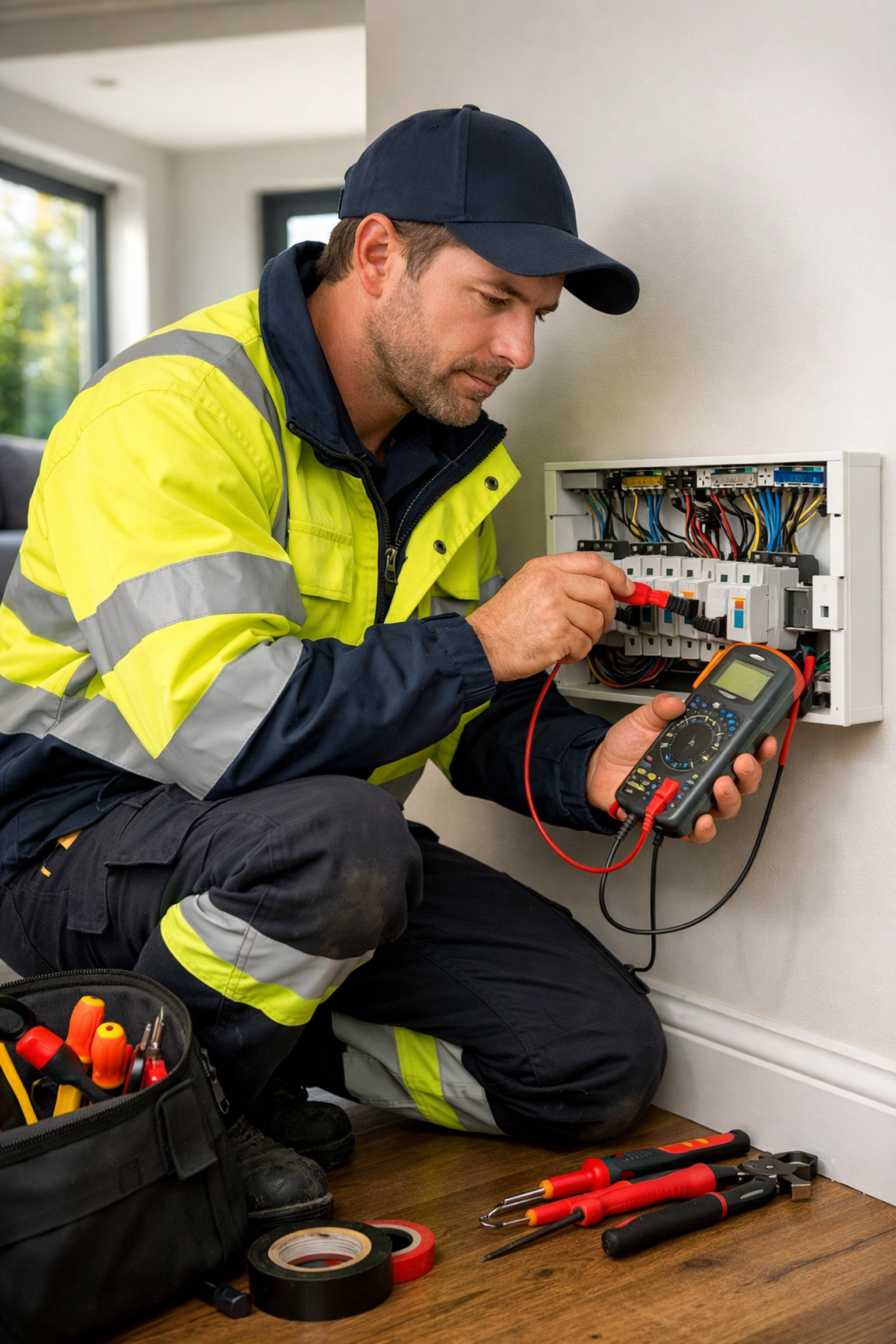
What Happens If Your EICR Is Unsatisfactory?
If your report contains any C1, C2, or FI codes, it's classified as unsatisfactory. This classification carries important implications:
For Landlords
You must complete all remedial work within 28 days and provide your tenants with both the original unsatisfactory EICR and a satisfactory completion certificate. Failure to comply can result in fines up to £30,000 and potential prosecution. Local authorities in Rugby take electrical safety seriously: don't risk it.
For Homeowners
While you're not legally required to fix the issues immediately, insurance companies may refuse claims related to electrical faults if you've ignored an unsatisfactory EICR. More importantly, your family's safety depends on a properly functioning electrical system. The cost of remedial work is far less than the potential cost of an electrical fire or serious injury.
Why Use a NAPIT Registered Contractor?
When you need electrical work following an EICR, choosing a registered contractor isn't just recommended: it's essential for your protection.
What NAPIT Registration Means
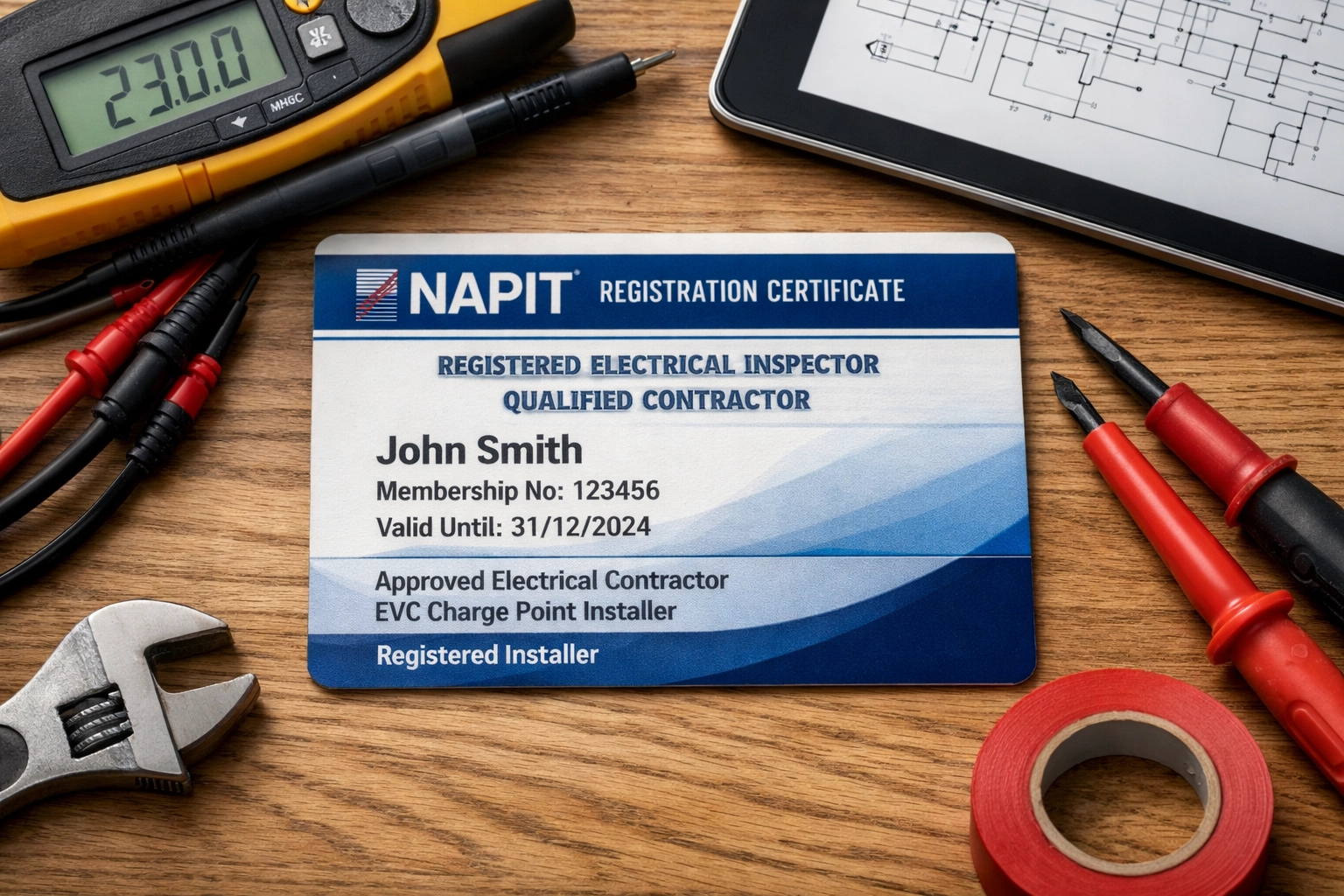
NAPIT is one of the UK's leading electrical competent person schemes. Registered contractors have:
Proven technical competence through rigorous assessment
Current insurance and liability cover
Regular inspections of their work by NAPIT assessors
The authority to self-certify work and issue Building Regulation compliance certificates
The Rugby Advantage
Working with a local NAPIT registered contractor like G Costa Electrical offers distinct benefits. Our team of 8+ professional electricians knows Rugby properties inside out: from Victorian terraces in Hillmorton to modern developments near Rugby town centre. We understand the common issues affecting homes in the area and can respond quickly when you need urgent repairs.
Compliance Certificates
Only registered electricians can issue the certificates required to prove your work meets Building Regulations. If you use an unregistered contractor, you'll need to arrange separate inspections through Building Control: adding cost and complexity to a straightforward process.
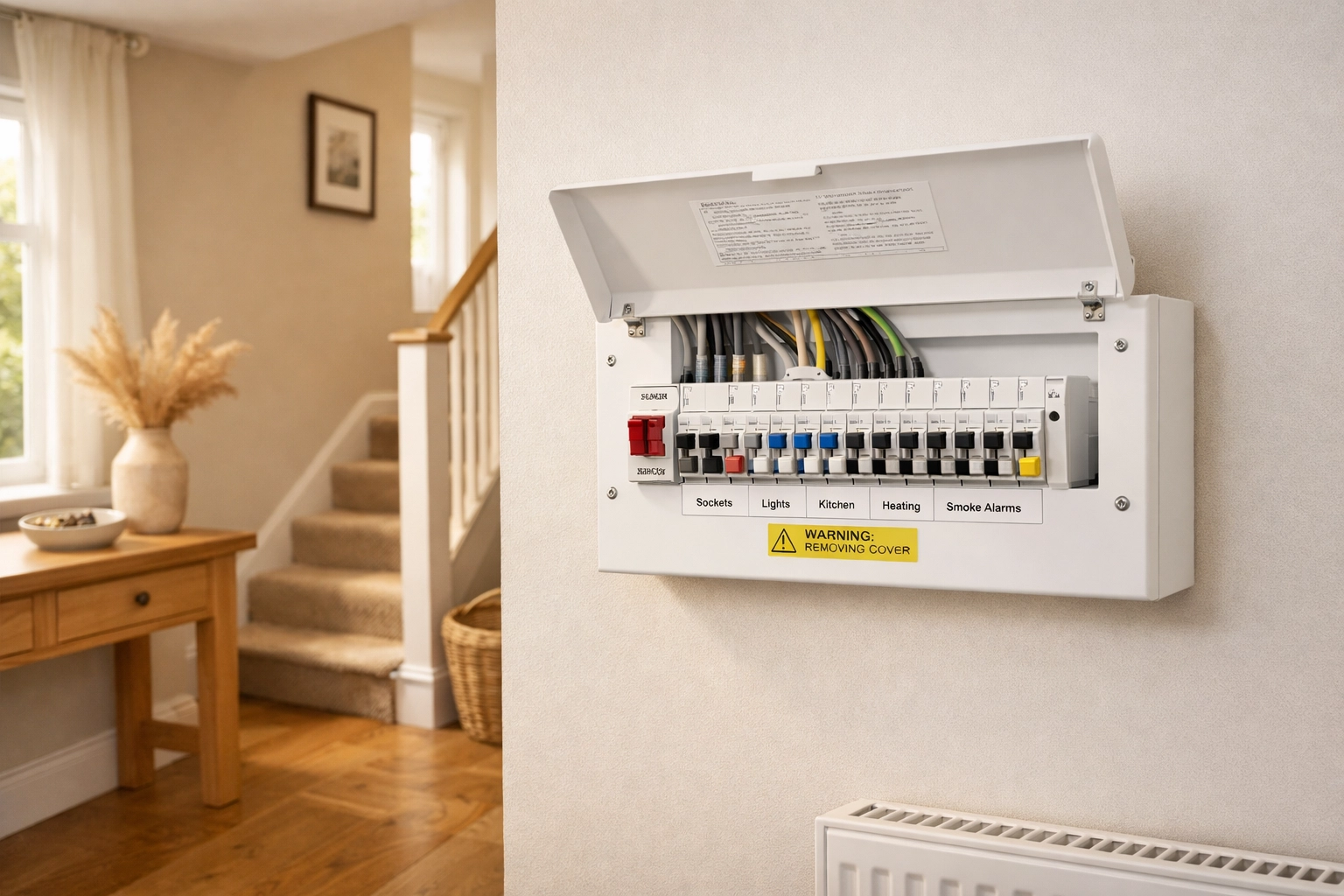
Understanding Your Next Steps
When you receive an EICR with codes, follow this clear action plan:
Review the codes immediately – Don't set the report aside assuming someone else will chase you
Prioritize by urgency – Address C1 issues the same day, then schedule C2 and FI work within 28 days
Get quotes from registered contractors – Compare like-for-like quotes and check registration status
Keep all documentation – Store your EICR, quotes, invoices, and completion certificates together
Update your calendar – Schedule your next EICR (five years for landlords, or within 10 years for homeowners)
Questions to Ask Your Electrician
When discussing your EICR results, these questions help you understand the work required:
Can you explain exactly why this received a C2 rather than C3?
What's the worst-case scenario if I delay this repair?
Are there alternative solutions that might be more cost-effective?
Can you complete all the remedial work, or do I need specialist contractors?
What certification will you provide upon completion?
A professional electrician welcomes these questions and provides clear, honest answers. If an electrician pressures you or can't explain the codes properly, consider getting a second opinion.
Protecting Your Rugby Home
Your EICR isn't just a box-ticking exercise: it's a comprehensive health check for one of your home's most critical systems. The codes on your report provide a clear roadmap for maintaining electrical safety, and understanding them empowers you to make informed decisions about repairs and upgrades.
If your recent EICR contains C1, C2, or FI codes, don't ignore them. Contact a NAPIT registered contractor who can assess the work required and provide transparent pricing. At G Costa Electrical, our experienced team handles everything from emergency C1 repairs to comprehensive rewiring projects across Rugby. We'll explain your options clearly, complete work to the highest standards, and provide all necessary certification: giving you complete peace of mind that your electrical system is safe.
Ready to address those EICR codes or need expert advice about your report? Get in touch with our team today for professional electrical services you can trust.
Comments